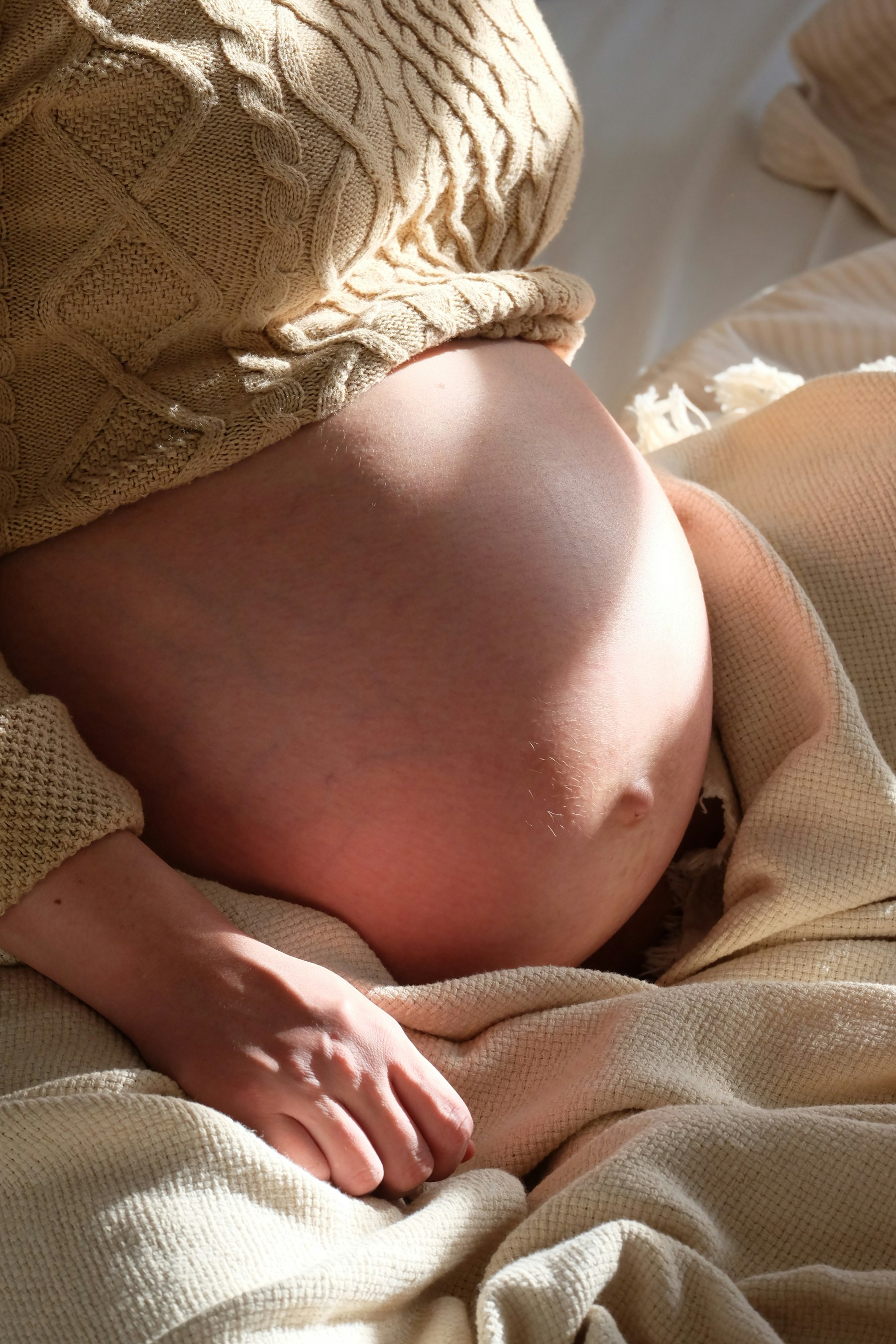
- Home birth is an option for healthy, low-risk pregnancies.
- Choose a qualified midwife and start prenatal care early.
- Make a hospital transfer plan before labor, not during it.
- Plan your postpartum support as carefully as your birth.
Choosing to give birth at home is a big decision, and a deeply personal one. With the right preparation and the right midwife, it can be a calm, supported experience in the place you feel most at ease. Here's what to think about in the months before your baby arrives.
Is home birth right for you?
Home birth is generally an option for people with healthy, low-risk pregnancies. Your midwife will talk through your health history, any previous births and how your pregnancy is progressing, and give you honest guidance about whether home is the right setting for you.
Some situations are better suited to a hospital. Kim, for example, does not attend twin or breech births at home, and only attends births within 30 minutes of a hospital.
Choosing your midwife
The midwife you choose will be with you through some of the most important moments of your life, so it's worth asking questions early. Useful things to ask include:
- What is your training and certification?
- How long are your prenatal appointments?
- Will I see you for every visit, and at the birth?
- What happens if I need to go to the hospital?
- What postpartum care is included?
“Birth is the window to parenting.” Kim Windels, CNM
Your prenatal care
Prenatal care is where your preparation really happens. With Kim, every visit is at least an hour long and can take place at home or in her office. Visits include routine assessments, lab work and screenings, nutrition guidance, childbirth education and time for every question you have.
Many families also take a class to prepare, such as HypnoBirthing® or the Body Ready Method®.
Preparing your space
Your midwife will give you a list of supplies to gather in the final weeks of pregnancy. Beyond the essentials, think about the space itself:
- Where in your home do you feel most relaxed?
- Will you want a birth pool? (Read about water birth.)
- Who would you like with you, and who will care for older children?
- How will you keep the space warm, quiet and private?
Making a transfer plan
Even the most carefully planned home birth sometimes needs extra help. A transfer plan means you've already decided which hospital you'd go to, how you'd get there and what you'd take with you. With Kim, if you need to go, she goes with you and stays until your baby is born.
Planning for postpartum
The weeks after birth matter just as much as the birth itself. Plan for meals, rest and help at home. Kim visits families at home at 1 day, 3 days, 10 days, 4 weeks, 6 weeks and 3 months, with breastfeeding support at every visit.
Questions families ask
When should I start planning a home birth?+
Is home birth safe?+
What if I change my mind?+
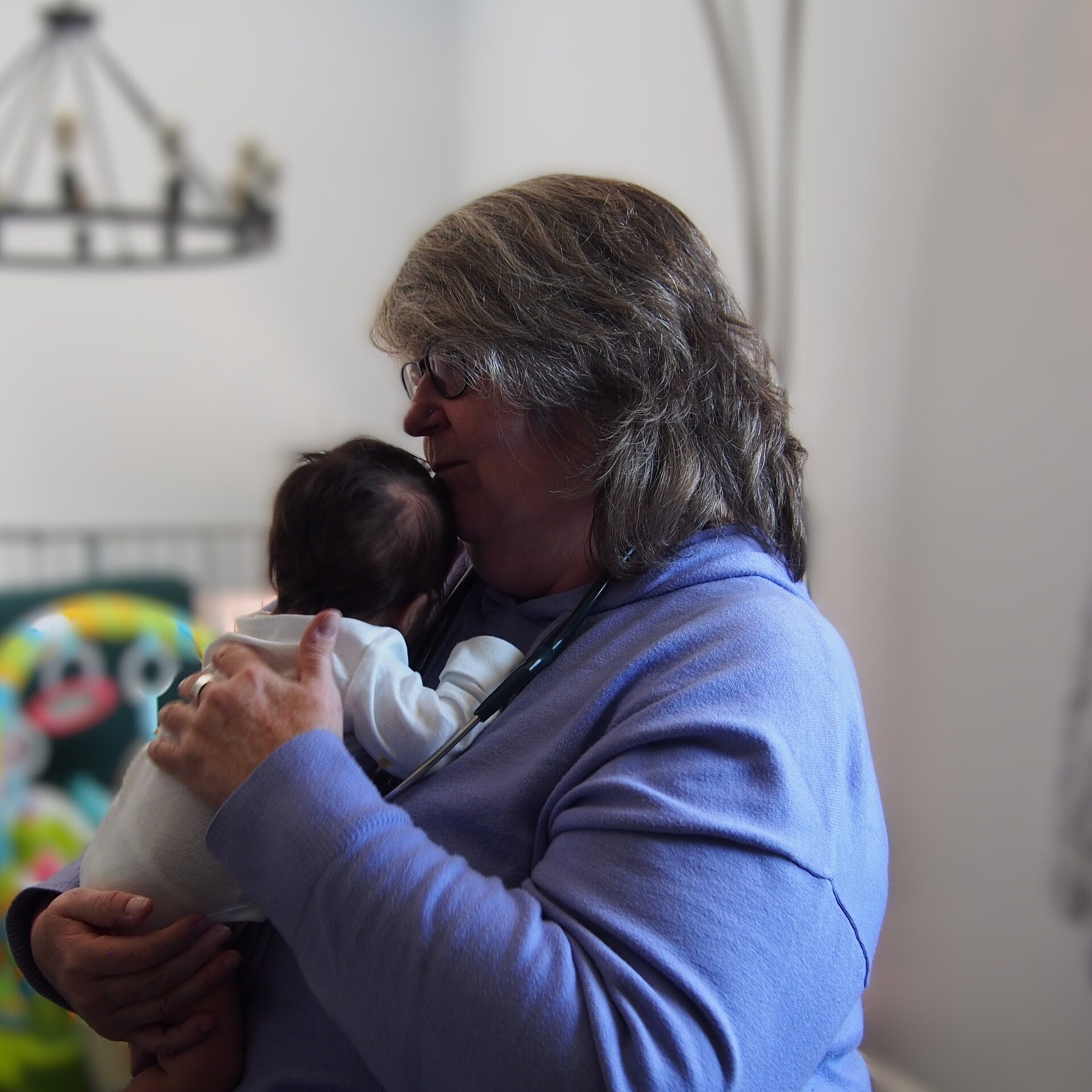
Certified Nurse Midwife and IBCLC with more than 40 years in reproductive health and midwifery, serving families across Northern Colorado and Southern Wyoming.